What is food security?
Food security is defined as the availability of food and one’s access to it.
The World Food Summit of 1996 defined food security as existing when all people , at all times, have physical, social and economic access to sufficient, safe and nutritious food to meet dietary needs for a productive and healthy life.
According to, United States Department of Agriculture (USDA), food security for a household means access by all members at all times to enough food for an active, healthy life.
The USDA also defines food insecurity as a state in which “consistent access to adequate food is limited by a lack of money and other resources at times during the year.” Typically, food security encompasses both physical and economic access to food that meets people’s dietary needs as well as their food preferences.
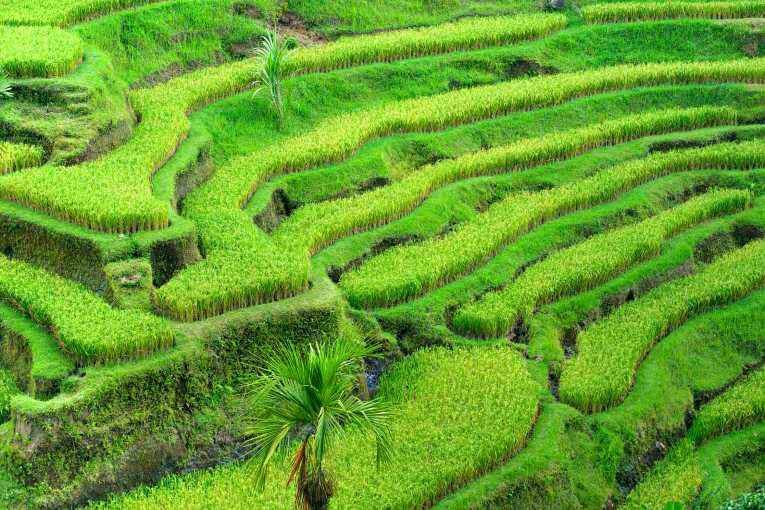
The MDGs are interlinked; progress in one goal supports progress in others. Supporting sustainable agriculture and rural development helps increase food production and reduces poverty and hunger. Food and nutritional security are the foundations of a decent life, a sound education and the achievement of the Millennium Development Goals.

“Food production is the largest consumer of water and also represents the largest unknown factor of future water use as the world’s population continues to balloon, and we face increasing weather-related shocks and stresses,” said Laura Schulz, Acting Deputy Assistant Administrator in USAID’s Bureau for Economic Growth, Education and Environment. She spoke at “Feeding a Thirsty World: Harnessing the Connections Between Food and Water Security,” an event sponsored by the Wilson Center, Winrock International, the Sustainable Water Partnership, and USAID. Currently about 70 percent of global water goes to agriculture, a number that is projected to rise “as high as 92 percent,” said Rodney Ferguson, the President and CEO of Winrock International.
What is water security?
Sustainable Water Partnership (SWP) defines water security as “the adaptive capacity to safeguard the sustainable availability of, access to, and safe use of an adequate, reliable and resilient quantity and quality of water for health, livelihoods, ecosystems and productive economies.”
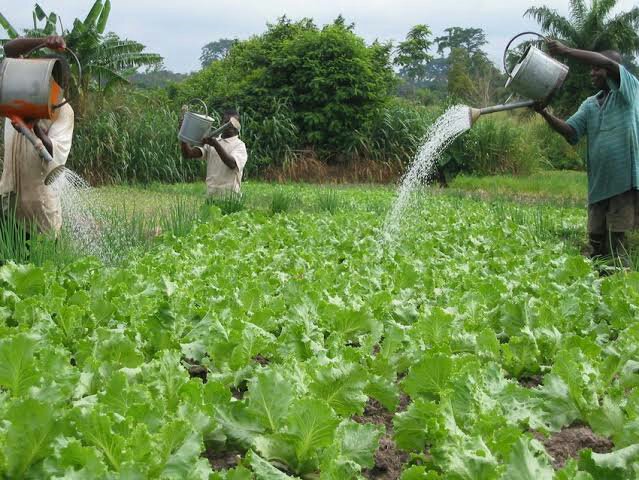
Water is key to food security. Crops and livestock need water to grow. Agriculture requires large quantities of water for irrigation and of good quality for various production processes.
Water is not evenly distributed. Another threat to water supplies is climate change, which is expected to impact rainfall, snowfall, and weather temperature patterns. To achieve sustainable global water systems, the development of water infrastructure in places where it is lacking is needed, in addition to more mindful use by those who reap the benefits from these systems.
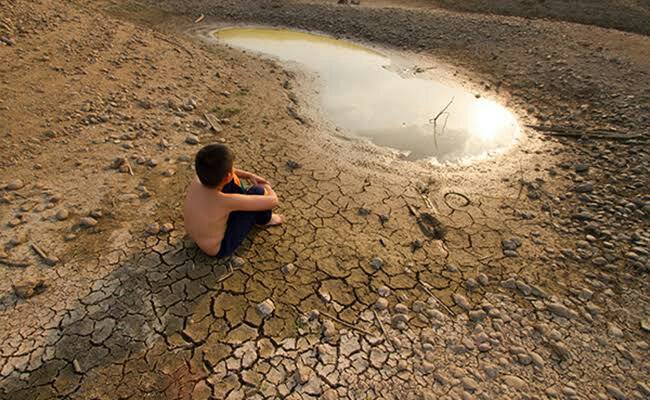
The UN General Assembly declared access to clean drinking water and sanitation as a human right on 28 July 2010. But the right to water in the context of the right to food is a complex question. While drinking and cooking water would be protected, water for food production would probably not be covered under the minimum needs in arid areas.

Water security in many ways goes hand in hand with food security. At present, almost 900 million people worldwide do not have access to clean water and more than 2.6 billion people do not have access to basic sanitation. Studies indicate that around 1.5 million children under the age of five die each year as a result of water and sanitation-related diseases.
Responsible use of water preserves its accessibility, making sure there’s enough water for all users — including the environment itself. It protects the water supply’s reliability; it’s not erratic or wasteful, but predictable and consistent. Finally, safe water use promotes resilience. When communities manage water responsibly, they build their ability to withstand, recover from and adapt to water risks.
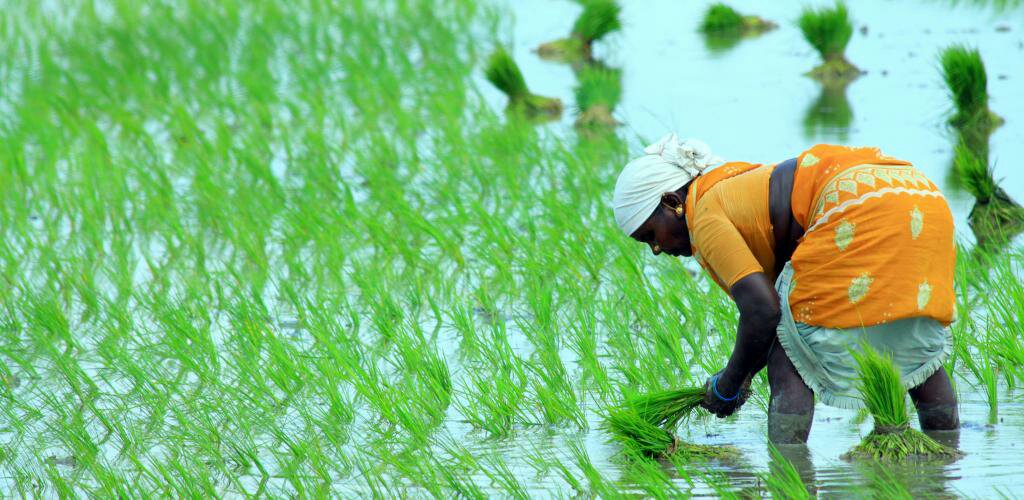
World Water Day 2012 – Water and Food Security: The world is thirsty because we are hungry
World Water Day (WWD) is held annually on 22 March. In 2012 WWD intended to focus international attention on the theme of ‘Water and Food Security’. The objective was to raise awareness on the relationship between water and food production and promote more sustainable food production and consumption patterns. It sought both to alert the world of the adverse global situation in water and food security, and to encourage decision-makers to seize opportunities to address global challenges. Through showcasing success, it aimed at encouraging decision-makers to initiate and sustain reforms and forward-looking approaches. FAO assumed responsibility for World Water Day 2012 coordination.
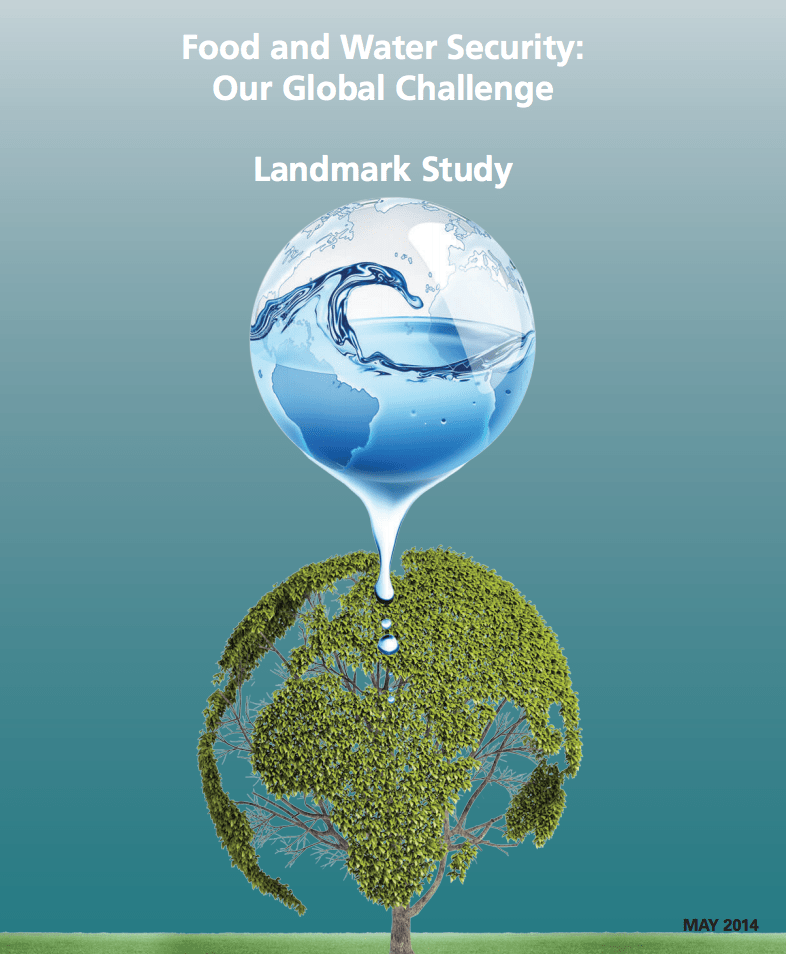
Food and water security are an aspiration for all and their absence is an affront to human dignity. Regrettably it must be said that universal food and water security are still a long way off but this should not stop everyone from doing everything in their power to bring it closer.
One of the biggest problems is that “the availability of water and the need for food production do not always overlap with one another,” said Michael Tiboris, Global Water Fellow at the Chicago Council on Global Affairs. This disconnection makes it hard to feed the hundreds of millions of people who starve every day.
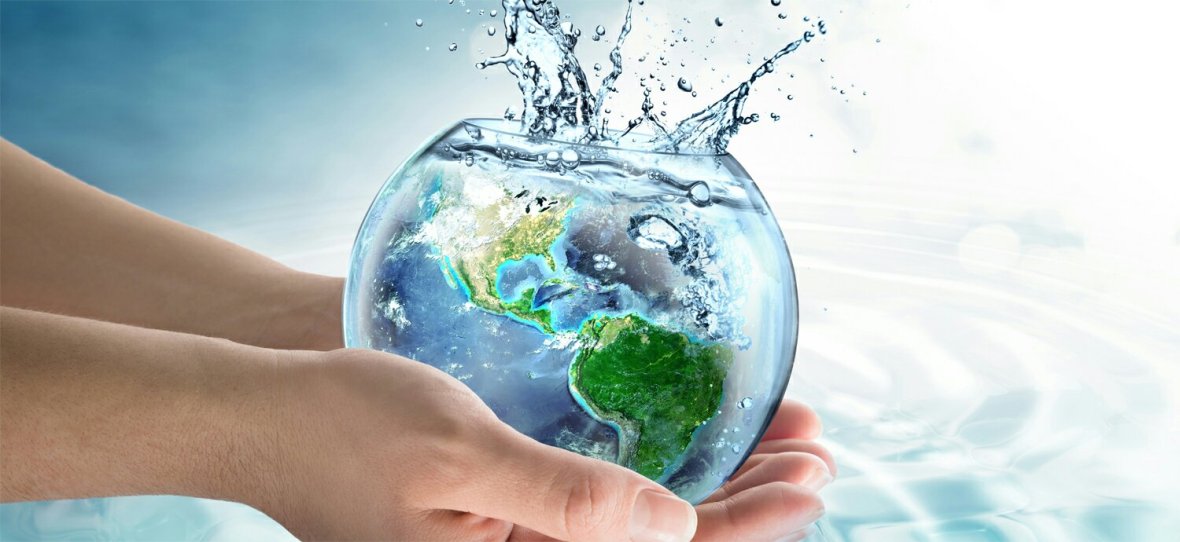
However, the way the international community approaches water security and food security remains segmented. The Sustainable Development Goal targets for water do not mention food security much, Tiboris said, and “the WASH [Water and Sanitation for Hygiene], drinking water, and agriculture development communities have been somewhat siloed from one another” both financially and administratively. The separation of these agendas hinders the development of sustainable and longstanding change in both water and food security.
5 Ways to Improve Global Food Security
According to the report of Paul C. West, co-director of the Global Landscapes Initiative at the University of Minnesota, tightening up on a number of key leverage points would provide enough calories to nourish 3 billion people while also taking environmental welfare into account:
- Close the yield gap. By 2050, 120 million hectares of natural habitats will be converted to farming in developing countries, the World Wildlife Fund estimates. Closing the gap between what is being produced and what could be produced would both reduce the need to clear land for agriculture and feed 850 million people.
- Use fertilizer more efficiently. The use of fertilizers with nitrogen and phosphorus on wheat, rice and maize crops could be reduced by 13-29 percent and still produce the same yields. Further efficiency could be gained through adjustments in the timing, placement and type of fertilizer.
- Raise low water productivity. Improving irrigation systems and planting crops that use less water would be an effective way to tackle this.
- Target food for direct consumption. Farmers grow crops that will ensure that they and their family can eat, whether that means eating their own crops or selling them to be able to afford food.
- Reduce food waste. Globally, 30-50 percent of food production goes to waste because of inefficient preparation or inadequate storage facilities. These wastes may feed 413 million people per year.
REFERENCES:
https://www.newsecuritybeat.org/2019/04/water-security-translates-food-security/amp/
http://www.earthtimes.org/encyclopaedia/environmental-issues/food-water-security/
https://www.facingthefuture.org/blogs/news/food-water-security
https://www.un.org/waterforlifedecade/food_security.shtml
https://www.disabled-world.com/fitness/nutrition/foodsecurity/
https://www.treehugger.com/sustainable-agriculture/5-ways-improve-global-food-security.html
Copyright © 2019 FilipiKnows. All Rights Reserved










 Filipi Knows